
What is a Stablecoin?
April 23, 2026

A stablecoin is a type of cryptocurrency designed to hold a steady value, usually around $1 USD. Unlike Bitcoin or Ethereum, which can fluctuate significantly, stablecoins are built for price stability, making them useful for payments, savings, and transfers.
Stablecoins combine the speed and accessibility of blockchain technology with the familiarity of traditional currency. Whether you’re sending money internationally, holding funds in USD, or participating in crypto markets, stablecoins offer a more predictable alternative to volatile digital assets.
Quick Answer:
A stablecoin is a cryptocurrency designed to maintain a fixed value, typically $1 USD, by using reserves or automated supply controls.
|
Key Takeaways
|
Table of Contents
- What Is a Stablecoin (Simple Definition)
- Stablecoin Meaning
- How Stablecoins Maintain Price Stability
- Types of Stablecoins Explained
- Fiat-Backed Stablecoins
- Crypto-Backed Stablecoins
- Algorithmic Stablecoins
- When Should You Use Stablecoins?
- Uses and Advantages of Stablecoins
- Popular Stablecoins
- Stablecoin Price Range and Stability
- Is Stablecoin Safe?
- Stablecoin Risks and Disadvantages
- Stablecoin Tax Considerations in Canada
- Stablecoins vs Traditional Banking
- Are Stablecoins Legal in Canada?
- How to Buy Stablecoins in Canada
- Frequently Asked Questions
What Is a Stablecoin (Simple Definition)
A stablecoin is a cryptocurrency that is designed to maintain a consistent value by being pegged to an external asset, most commonly the US dollar. This stability is achieved through reserves, collateral, or supply-adjusting mechanisms.
Stablecoin Meaning
A stablecoin is a cryptocurrency designed to maintain a stable value by tying itself to a reserve asset. Typically, that reserve asset is the US dollar, but it can also include other currencies, commodities, or algorithmic controls.
Unlike Bitcoin, which moves based on market demand, stablecoins function more like digital cash. They allow users to transact, store value, and move funds without significant price swings. This is why stablecoins are often described as a bridge between traditional finance and cryptocurrency.
How Stablecoins Maintain Price Stability
Stablecoins maintain their value through different mechanisms depending on how they are structured. Each type uses a system designed to keep the price close to $1 USD.

Types of Stablecoins Explained
Fiat-Backed Stablecoins
The most common type of stablecoin is backed 1:1 by traditional currency. The issuing company holds reserves equal to the number of coins in circulation.
Examples include:
- USDT (Tether)
- USDC (USD Coin)
- TUSD (TrueUSD)
Users can typically redeem these stablecoins for fiat currency, which helps maintain price stability.
Crypto-Backed Stablecoins
These stablecoins are backed by other cryptocurrencies rather than fiat. Users lock crypto as collateral to generate stablecoins.
This system includes:
- Overcollateralization to manage volatility
- Automated liquidation if collateral drops too far
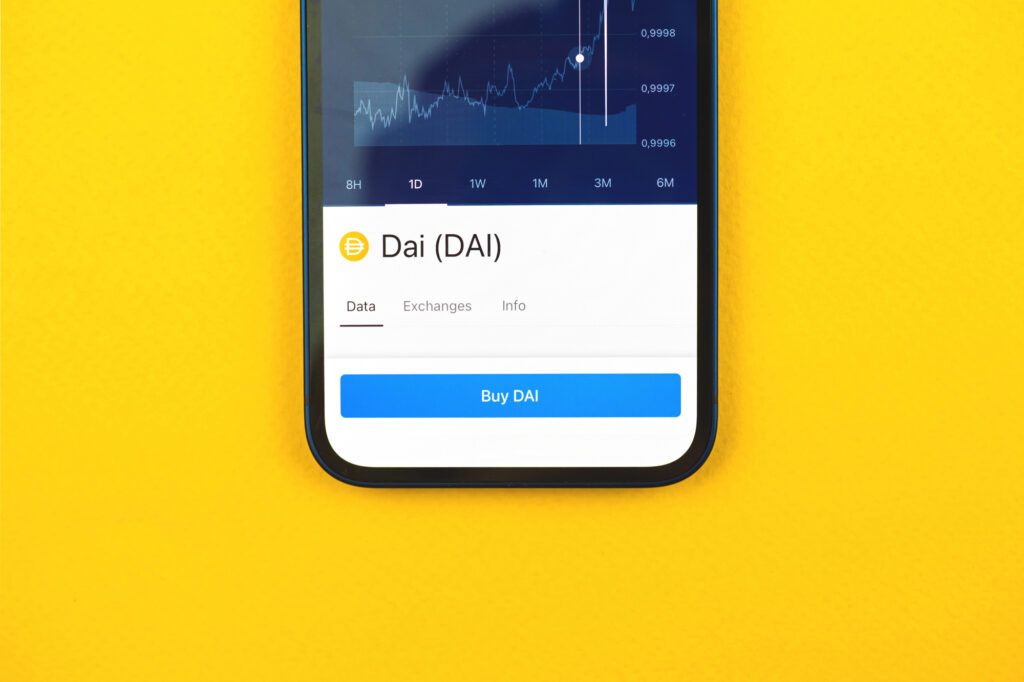
DAI is the most well-known example.
Algorithmic Stablecoins
Algorithmic stablecoins use smart contracts to manage supply and demand. When the price rises above $1, supply increases. When it drops below, supply is reduced.
These models do not rely on direct reserves and require a strong system design to maintain stability.
When Should You Use Stablecoins?
Stablecoins are commonly used for:
- Sending money internationally without traditional banking delays
- Holding funds in USD without converting through a bank
- Trading between cryptocurrencies without exposure to volatility
- Participating in DeFi platforms
- Making fast, low-cost payments
They are often used alongside traditional financial systems rather than replacing them.
Uses and Advantages of Stablecoins
International Money Transfers
Stablecoins can be transferred globally within minutes. Transactions typically involve lower fees and fewer intermediaries compared to traditional wire transfers.
Hedging Against Currency Instability
In regions with currency instability, stablecoins are used to hold value tied to stronger currencies like USD.
DeFi Applications
Stablecoins are widely used in decentralized finance for:
- Lending and borrowing
- Liquidity provision
- Payments and settlements
Emergency Liquidity
Stablecoins can be accessed quickly and transferred globally, making them useful for short-term liquidity needs.
Popular Stablecoins
- USDT (Tether): Widely used and highly liquid
- USDC (USD Coin): Known for transparency and regulatory alignment
- DAI: Decentralized and backed by crypto collateral
Each stablecoin has different structures, reserve models, and levels of transparency.
Stablecoin Price Range and Stability
Most major stablecoins trade within a narrow range of approximately $0.995 to $1.005.
Short-term deviations can occur, but pricing mechanisms are designed to bring the value back toward $1. Larger deviations may indicate issues with the underlying structure or reserves.
Is Stablecoin Safe?
Stablecoins are generally more stable than other cryptocurrencies, but they are not risk-free. They are not insured like bank deposits and depend on their underlying structure.
For larger savings, traditional bank accounts with CDIC insurance provide stronger protection. Stablecoins are typically used for transactions, transfers, and short-term holding.
Stablecoin Risks and Disadvantages
- Depegging risk: Value may move away from $1
- Issuer risk: Dependence on reserve management
- Regulatory risk: Rules vary by jurisdiction
- Smart contract risk: Potential technical vulnerabilities
- Platform risk: Custody risks if held on third-party platforms
Users often manage risk by diversifying holdings and using secure wallets.
Stablecoin Tax Considerations in Canada
Stablecoin transactions may have tax implications depending on how they are used.
Taxable events can include:
- Trading stablecoins for other cryptocurrencies
- Using stablecoins to purchase goods or services
- Earning interest or rewards
Holding stablecoins or transferring them between personal wallets is generally not considered a taxable event. Accurate record-keeping is recommended. Canadian users should also be aware of reporting requirements set by the Canada Revenue Agency (CRA).
Stablecoins vs Traditional Banking
| Feature | Stablecoins | Traditional Banking |
|---|---|---|
| Transfer Speed | Minutes | 3–5 days (international) |
| Fees | Low blockchain fees | Higher wire fees |
| Availability | 24/7 | Limited hours |
| Insurance | None | CDIC up to $100,000 |
| Reversibility | No | Yes |
| Access | Global | Region-dependent |
Stablecoins offer speed and accessibility, while traditional banking provides regulation and consumer protection.
Are Stablecoins Legal in Canada?
Stablecoins are legal to buy, sell, and use in Canada. They are not considered legal tender and are not regulated like traditional financial products.
Canadians can access stablecoins through platforms, peer-to-peer services, and crypto ATMs. Regulations continue to evolve, and users should stay informed about compliance requirements.
How to Buy Stablecoins in Canada
Cryptocurrency Platforms (Online)
Stablecoins can be purchased through online platforms by linking a bank account and converting Canadian dollars into digital assets.
Peer-to-Peer Platforms
Users can trade directly with others using peer-to-peer services. Pricing and availability may vary.
Crypto ATMs
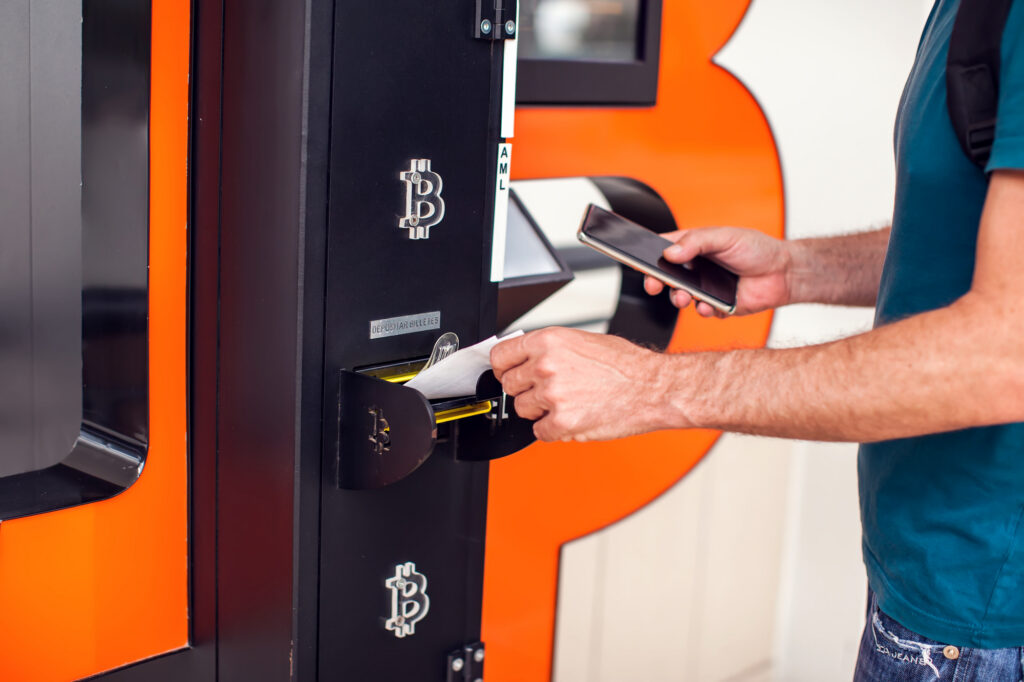
HODL Digital Services operates over 300 crypto ATMs across Canada, where users can purchase major cryptocurrencies like Bitcoin and Ethereum with cash, which can be converted into stablecoins using an exchange or platform.
Benefits include:
- Use cash to buy cryptocurrency in minutes, then convert it to stablecoins using an exchange or platform
- No bank account required
- Simple process without complex interfaces
- Locations across major provinces
Buying Stablecoins at a HODL ATM
Before You Go
- Set up a crypto wallet
- Decide how much to spend
- Bring valid ID if required
At the ATM
- Select “Buy”
- Scan your wallet QR code
- Insert cash
- Confirm the transaction
- Take your receipt
After the Transaction
- Check your wallet for confirmation
- Transactions typically process within minutes

Frequently Asked Questions About Stablecoins
What is the difference between stablecoin and regular cryptocurrency?
Regular cryptocurrencies fluctuate based on supply and demand. Stablecoins are designed to maintain a consistent value, usually around $1 USD.
Is stablecoin safe?
Stablecoins are designed for stability but are not risk-free or insured. Their safety depends on reserves, structure, and how they are stored.
Can I lose money holding stablecoins?
Losses can occur through fees, price deviations, or platform-related risks. Stablecoins do not experience the same volatility as other cryptocurrencies, but are not guaranteed to maintain value in all conditions.
What is the most popular stablecoin?
USDT and USDC are among the most widely used stablecoins. DAI is a leading decentralized option.
Can I use stablecoins for everyday purchases?
Some merchants accept stablecoins, and payment cards can convert them at checkout. Many users convert stablecoins to local currency for everyday spending.